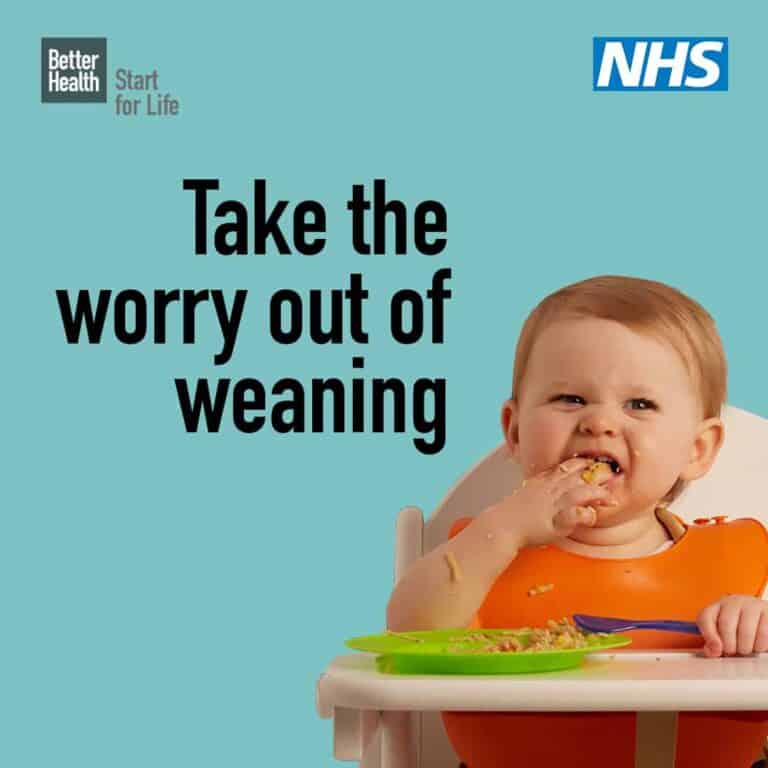
Introducing Solid Foods
Three in five (59%) first-time parents found the decision to start weaning confusing and almost two-thirds (64%) have received conflicting advice on what age to start introducing solid foods.
Weaning is a crucial milestone within the first 1,001 days. Children’s food preferences and eating habits are formed early in life, with consequences for a range of health and development outcomes in later life.
The NHS recommends that most parents should wait until their baby is around six months old before they start introducing solid foods. At this stage, they need solid foods as well as – not as a replacement for – their usual breast milk or first infant formula (which is why it’s known as complementary feeding). Weaning teaches your baby how to move solid food around their mouth, chew and swallow solid foods.
Lots of parents wonder when and how to start introducing solid food, so a dedicated weaning hub has been created on the Better Health website offering support and advice during what can be a confusing time.
The weaning hub is packed with NHS-endorsed advice, videos and tips, plus simple, healthy recipes, it puts everything parents need to know in one place.
Top Tips For Parents
Click here to download a simple, step by step guide to starting weaning.
- In the beginning, you only need to give your baby solid foods once a day, at a time that suits you both
- Don’t worry if your baby hasn’t eaten much in a meal or a day – what they eat over a week is more important
- When your baby’s had enough, they’ll let you know by firmly closing their mouth or turning their head away
- Babies learn a lot from watching you eat – sit down together for family mealtimes as much as possible
- They might pull funny faces, that doesn’t mean they don’t like it – they’re just getting used to new tastes and textures
- Babies under 12 months don’t need snacks. If you think your baby is hungry in between meals, offer extra milk feeds instead
- if you need to cool food down quickly, put it in an airtight container and put it sitting in cold water. Keep stirring so it cools throughout
- During mealtimes, offer your baby sips of water from an open or free-flow cup
Recipes for Older Babies
Whatever stage of the weaning journey your baby is on, click here to view plenty of recipes and meal ideas to inspire you. You can filter these recipes using your babies age and meal type.
Frequently Asked Questions
What is weaning?
Weaning is introducing your baby to solid foods, starting when your baby is around 6 months old. It can be confusing knowing when and how to start introducing solids foods. Click here for a guide through the weaning journey and an explanation about what it all means.
Is my baby ready for weaning?
Lots of parents wonder when and how to start introducing solid foods. Read about the signs that your baby is ready for weaning and what you need to do to get started – https://www.nhs.uk/start4life/weaning/getting-ready/
There are three clear signs, which is when they appear together from around sixth months, show that your baby is ready for their first solid foods:
- Sit up and hold their head steady
- Use their eyes, hands and mouth so they can look at food, pick it up and put it in their mouth
- Shallow food rather than push it back out
Three signs mistaken for a baby being ready…
- Chewing firsts
- Waking in the night (more than usual)
- Wanting extra milk feeds
How much food does my baby need?
In the beginning, your baby will only need a small amount of food each day – so don’t worry about how much they eat. The most important thing is trying new foods and flavours and learning to swallow solid food. They will start by getting most of their energy and nutrients from breast milk or infant formula.
What should my baby be eating?
Click here to view all the information on what to feed your baby and how much. Find out about different food groups, baby-led weaning and how much milk your baby should be having.
Babies don’t need sweet or salty snacks or treats. Even baby versions are not necessary. Many shop-bought packaged snacks can be high in sugar and salt.
Avoid things like biscuits, chocolate, sweets and pastries as they have lots of sugar and babies don’t need them.
Sweet drinks like squash, fizzy drinks, milkshakes and fruit juice can have lots of sugar too, so avoid these to help prevent tooth decay. Even baby and toddler drinks can be sugary. Your baby doesn’t need these. Offer sips of water from a cup with meals instead.
How can I prepare for weaning safely?
Babies and young children are highly vulnerable to bacteria that can cause food poisoning and some foods can also be a choking hazard. Click here to read about preparing for weaning safely.
Does my baby still need milk?
Breast milk or infant formula should be your baby’s main drink until they are 12 months old, and you can carry on with breast milk for as long as you both want.
TIP – “follow-on” formula isn’t suitable for babies under six months, and you don’t need to introduce it after six months
As time goes on and your baby eats more solids, they may naturally want less breast milk or infant formula. Remember your baby’s tummy is tiny and fills up quickly – so offer milk feeds after solids.
What is my baby doesn’t want to eat?
It may take 10 tries or even more for your baby to get used to new foods, flavours or textures. There will be days when they eat more, some when they eat less, and then days when they reject everything. Don’t worry – it’s perfectly normal.
TIP – they might make funny faces, but that doesn’t mean they don’t like it; they’re just getting used to new tastes and textures.
Just keep offering a variety of foods – even the ones they don’t seem to like – and let them get used to it in their own time.